

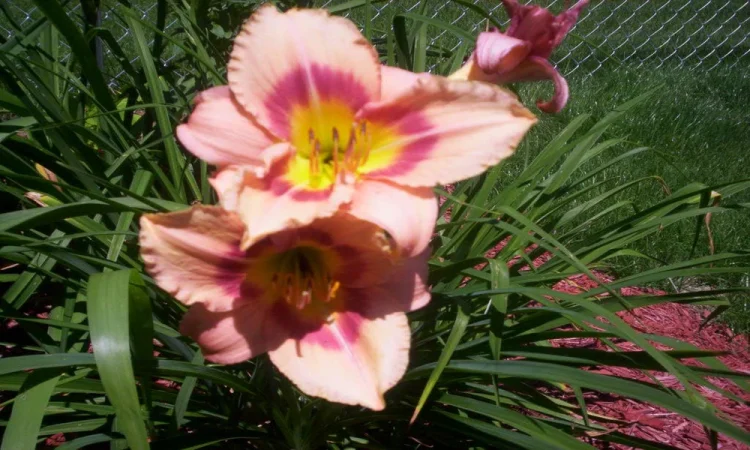
Three plants can be a collection. If each was chosen for a reason, three may be a much more interesting beginning than twenty bought because there was room in the basket. With daylilies, the next reason is rarely hard to find: an extravagant spider, a quiet pale flower, a double that looks nothing like the first two.
UK catalogues offer plenty of ways into that conversation. Some suppliers assemble named assortments; others let you choose every cultivar. I would begin by deciding what I want the second plant to add to the first. The ten suppliers here provide identifiable choices for that sort of start, from a twelve-variety collection to a deliberately selected pair.
Choosing names with something to say
Every route below supplies plants with cultivar or botanical names. The examples were selected for contrasts a beginner could actually recognise, alongside clear information about the material and the buying process. Swallowtail Daylilies opens with the choice between an assortment and individual purchases; specialist catalogues follow, then broader nursery and retailer selections. The order explores ways to begin. A catalogue’s length earns no points on its own, and a three-plant pack of one cultivar still adds only one name to the collection.
1. Swallowtail Daylilies
British gardeners browsing the Hemerocallis for sale catalogue can choose their own daylily names or leave the opening selection to the World of Daylilies assortment. The collection contains twelve different named pot-grown varieties. That is a sizeable first chapter, with the seller choosing the individual contents.
I like the openness of that idea for someone whose tastes are still forming. Several different flowers give you something to respond to: perhaps the colour you expected to love matters less than an unfamiliar outline. An assortment leaves room for that discovery. It also asks for room in the garden, since twelve different identities need twelve sensible places to develop.
For a small border, I would browse the individual names and begin more slowly. One desired flower can become the reference point for the next choice. The same catalogue supports both approaches, with pot-grown material, so there is no need to turn collecting into a test of how large the first order can be. The useful question is whether you want the opening variety chosen for you or want to build it yourself.
2. Pollie’s Daylilies
Apron Strings and Orchid Corsage make a promising conversation starter. Pollie’s priced catalogue places the former among spiders and the latter among unusual forms. Those names invite a look at what flower shape can contribute to a collection, beyond another change of colour.
This is a catalogue to linger over. I would put the interesting names on a short list, then ask the nursery which can be supplied. Orders involve contact, with mailing in spring to early summer and again in late summer to early autumn. Availability is therefore part of the exchange with the grower.
For someone drawn to the more expressive flowers, that process has a purpose: obtaining a particular named form. Two carefully chosen examples could make the beginning feel rich already. The next purchase might then follow an observation about what those flowers share, or what neither brings to the group.
3. Strictly Daylilies
Black Arrowhead beside Heavenly Curls would make a bold first pair. Strictly describes a dark spider with a published petal ratio in the first case and a near-white to yellow unusual form in the second. The contrast reaches across both colour and outline.
There is something satisfying about such an obvious difference at the start. You can explain why each plant belongs without needing a collection history: one is dark and stretched, the other pale and curled. Later additions could complicate that simple opposition with another colour or a more conventional flower.
The nursery supplies mature bare-root divisions, commonly with three to five fans. Those fans are pieces of the named cultivar, so a division of Black Arrowhead contributes one identity regardless of how many fans it contains. For a beginner comfortable planting bare-root material, this is a precise way to start with two distinctly described flowers and plenty to look at when they bloom.
4. New Hope Daylilies
What if the first interest is spiders, and you want to stay with them for a while? Kindly Light and Pink Dazzler at New Hope offer a green-yellow flower and a bright pink one marked with cream. Their shared form gives the collection a theme; their colours keep it from feeling repetitive.
Kindly Light has a strongly elongated published petal ratio. Pink Dazzler adds a later summer description. Colour and timing therefore offer two lines of comparison within that one interest. I would find that a more absorbing pair than two purchases chosen only because their names were unfamiliar.
Both are offered as two to three bare-root fans. Give each cultivar its own clear position and label on arrival. The point is to keep the connection between the name and the flower you wanted, so that a later choice can respond to something real in the collection.
5. Claire Austin
Compact yellow, double lemon or pale pink: Claire Austin’s Stella de Oro, Double River Wye and Luxury Lace offer three very readable starting ideas. A collector could follow stature, the number of petals or colour, depending on which difference is most appealing.
I would be tempted to choose two of those directions first. A small group with a clear contrast is easy to enjoy and leaves the third idea available for a later addition. The products have different starting formats-1 litre for Stella de Oro, 2 litres for Double River Wye and 9cm for Luxury Lace-so the initial plants need not look evenly matched. Their eventual flowers explain the selection. This nursery suits someone who wants familiar, distinct choices assembled personally, one name at a time.
6. Farmyard Nurseries
Crimson Pirate and Double River Wye give Farmyard a particularly approachable pair: red flowers and a scented lemon-yellow double, both offered in 2-litre pots. The shared format makes the order simple; the flowers give it variety.
The catalogue also includes Catherine Woodbery and Childrens Festival. Those names provide places to continue browsing once the first contrast is settled. There is no need to make all the decisions at once. If the double becomes the favourite, another layered flower may be the interesting next move. If the red proves more compelling, the next choice could explore that colour. Farmyard’s individually named range allows the collection to develop in response to preferences rather than to the predetermined contents of a pack.
7. Cotswold Garden Flowers
A collection can also take a quieter turn. Cream Drop is listed with cream flowers in a 9cm pot at Cotswold, and the catalogue includes the fragrant early species Hemerocallis lilioasphodelus. Either could introduce a different emphasis among strongly coloured hybrids.
I would keep the full botanical name of the species with the plant. It tells a different sort of story from a cultivar name and makes that distinction part of the collection’s interest. The wider list includes Burning Daylight, Mauna Loa, Summer Wine and Arctic Snow, each to be considered through its own offer. Cream Drop and the early species are useful starting points because they suggest a direction for the group: paler flowers, or an interest that extends beyond named hybrids into species.
8. Crocus
Three Gentle Shepherd plants would make a repeated planting. One Gentle Shepherd and two differently named daylilies would begin a three-name collection. Crocus makes that distinction especially visible by offering Gentle Shepherd singly or as three 2-litre plants, alongside individually named choices such as Stella Citron, Stella Rouge and Stella Tangerine.
Neither order needs defending. Repetition can be exactly what a border wants. But if the pleasure lies in meeting a new cultivar, choose another name rather than another quantity of the first. The retailer’s separate products let a beginner make that decision explicitly. I would check the basket once for the total plant count and once for the number of different names; the two answers tell you what sort of beginning you are buying.
9. Jackson’s Nurseries
The very dark red of American Revolution could set the tone for a collection interested in strong colour. Jackson’s description gives it a yellow throat and green heart. Pink Damask offers deep pink nearby in the range, while Bonanza and Primal Scream provide further names to investigate.
American Revolution is available in a 2-litre pot. Pink Damask has more than one size variant, so its selected product needs a separate look. For the collection itself, I would begin with the dark red flower as the reference point. Does the next plant need to echo that intensity, or make it more conspicuous by being pale? Jackson’s named selection supports the first possibility; the pale choices elsewhere in this list leave the second open. A collection becomes interesting when the next purchase answers that kind of question.
10. Larch Cottage Nurseries
Two plants, two colours, two heights. Larch Cottage lists Happy Returns at 30cm and Mauna Loa at 60cm, both in 2-litre pots. Yellow and tangerine-orange provide the colour contrast; the different stature gives it another dimension.
This would be a manageable beginning for someone who wants the collection to live within an ordinary mixed border. The plants have recognisable jobs and need no separate collecting area to justify them. Mail order operates from September through the end of June, with visits as another route. Once those arrangements fit, a chosen pair is enough to begin. There will still be plenty of daylilies left to be curious about next year.
Leave the next choice open
Keep a label and a simple note of where each name was planted. Beyond that, allow the first flowers to influence what comes next. You may want more of a colour, a completely different shape, or fewer new plants and more room for the ones already chosen. That is the pleasure of starting small enough to pay attention. A collection grows through decisions, and some of the best decisions leave the basket empty for a little longer.
Source note: The named products, assortment and supply arrangements described here come from the suppliers’ official catalogues. Suggested combinations express editorial preferences, without implying ownership or growing trials.